Introduction
Speaker stands are essential for maximizing the performance of small speakers. By properly elevating and positioning your speakers, you unlock their full potential, allowing for better sound distribution and a neater setup. Whether you’re an experienced audiophile or a newcomer, understanding why speaker stands make a difference will enhance your listening experience. Let’s explore the importance of speaker stands and what features to consider when choosing the right ones for you.
Why Speaker Stands Matter for Small Speakers
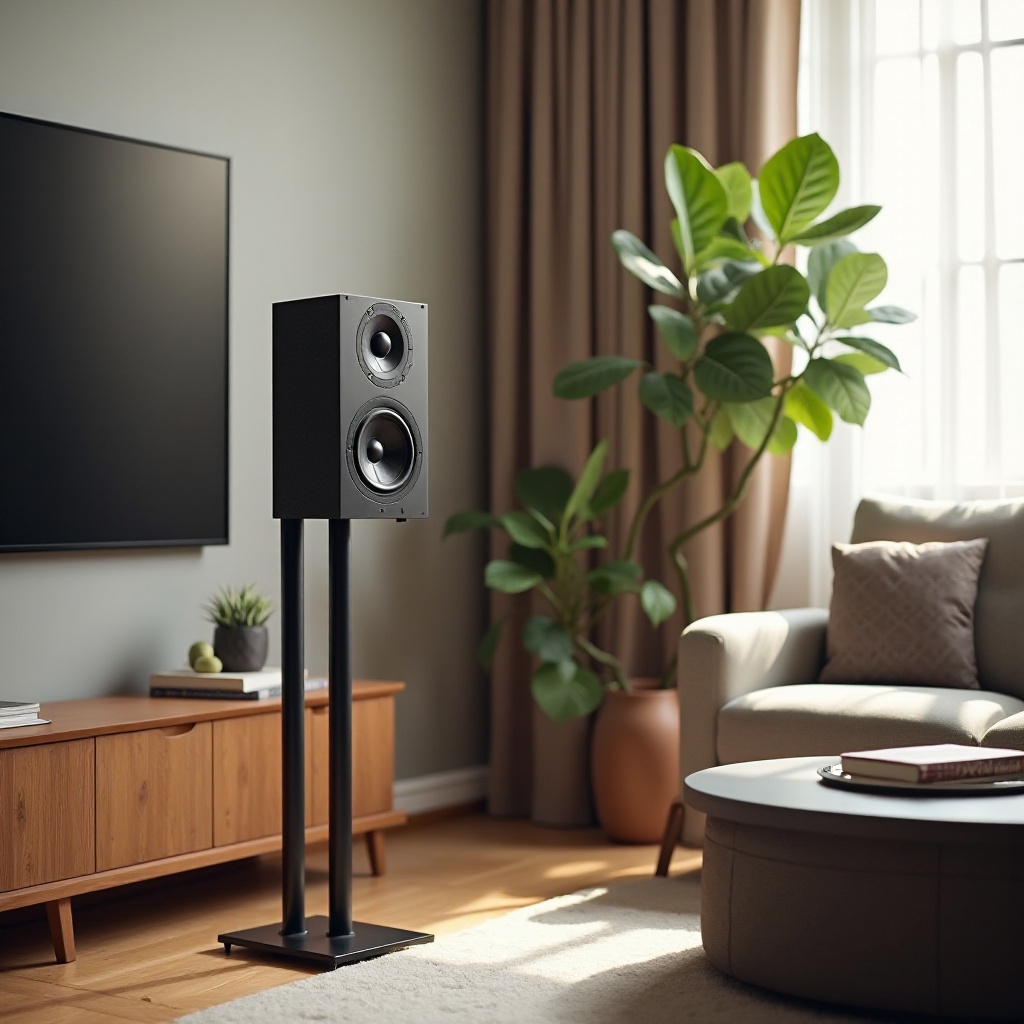
The enhancement of sound quality is a major factor that makes speaker stands valuable. Elevating speakers improves sound distribution by preventing furniture and other obstacles from blocking sound waves. Small speakers, which often lack built-in height, perform best when positioned on sturdily built stands. Moreover, vibrations that compromise sound clarity are lessened when speakers rest on solid stands.
Beyond acoustic benefits, speaker stands provide aesthetic and spatial advantages. A tidy speaker setup not only appears professional but also optimizes room space. Stands allow strategic placement, which frees up valuable surfaces and reduces clutter. This leads to a visually appealing setup that enhances both functionality and design.
Key Features to Look for in Speaker Stands
When choosing speaker stands, several key features should guide your decision. The material and construction quality are paramount. Stands made from durable materials like steel or aluminum offer robust support and long-lasting stability. Furthermore, aesthetically pleasing stands can accentuate your home decor, adding both style and functionality to your space.
Height and adjustability should also play a critical role in your choice. Adjustable stands provide flexibility, allowing you to position your speakers at the ideal listening height and angle. Typically, aligning the speaker tweeters with the listener’s ear level when seated produces the best sound experience.
Additionally, stability and weight capacity cannot be overlooked. Ensure that the chosen stands can securely support your speakers. This aspect is particularly important if you have pets or young children, where safety considerations are paramount.
Top Speaker Stand Options for 2024
Looking ahead to 2024, several speaker stands distinguish themselves in terms of design and performance.
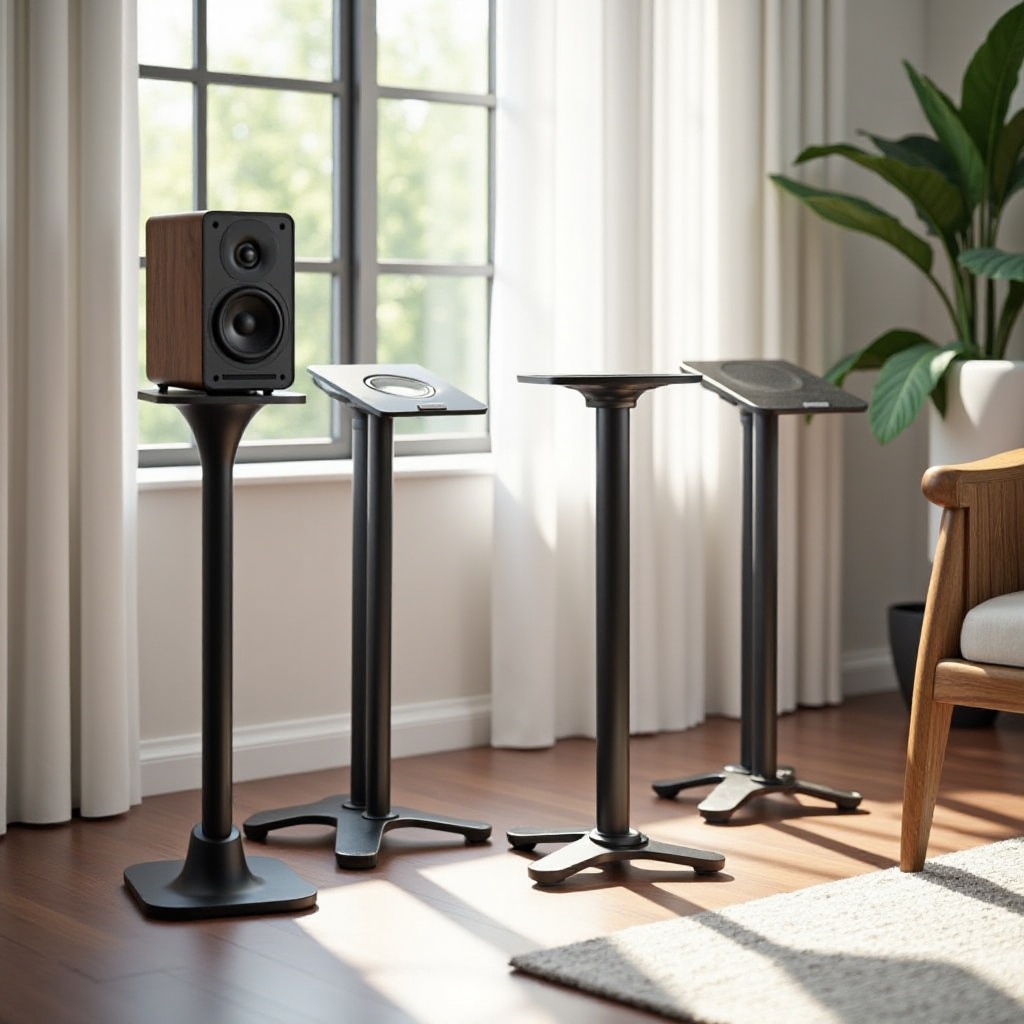
– Model 1: [Product Name] offers both a sleek design and robust construction, featuring adjustable height and cable management to keep your setup organized and stable.
– Model 2: [Product Name] is celebrated for its aesthetic versatility, which blends seamlessly with various interior designs. It allows for precision in height adjustments and is compatible with numerous speaker sizes.
– Model 3: [Product Name] prioritizes safety, featuring a wide base for enhanced stability and built-in features that minimize vibrations to improve sound clarity.
Choosing the right stand hinges on your personal needs and preferences. Each of these models delivers distinct advantages suitable for different audio environments and speaker types.
How to Match Your Stands with Small Speakers
Matching your speaker stands with small speakers entails considering compatibility and design. Ensure the stand can support the speakers’ dimensions and weight. Review the base width and load capacity to guarantee stability.
Aesthetic and style considerations are also important. Choose stands that complement not only the speaker’s appearance but also the room’s interior. Matching finishes and colors helps create a harmonious and visually appealing space.
Installation and Maintenance Tips
Proper installation of your speaker stands is key to maximizing performance. Ensure stands are placed on a stable, level surface, and adjust them to your chosen height. Secure speakers to prevent movement or accidents. Use any included cable management features to maintain an organized and clutter-free setup.
Regular maintenance is essential to keep your stands in optimal condition. Periodically check for loose fittings and tighten connections as necessary. Maintain cleanliness by dusting regularly, which helps preserve the stands’ appearance and performance. Routine inspections for wear and tear will extend the stands’ lifespan, ensuring continued superior sound quality.
Conclusion
Selecting the appropriate speaker stands for small speakers directly influences your audio experience. From enhanced sound clarity to improved aesthetics, the benefits are numerous. By considering essential features and following practical installation and maintenance tips, you can achieve a sound setup that provides clear, immersive audio for years to come.
Frequently Asked Questions
How do speaker stands improve sound quality?
Speaker stands elevate speakers, improving sound distribution by preventing obstructions or absorption by nearby surfaces.
Can I use speaker stands with any type of speaker?
Most stands are versatile, but you should check weight and size compatibility to ensure stability and performance.
What is the ideal height for speaker stands?
The ideal speaker height aligns with the listener’s ears when seated, typically around 36 to 42 inches, depending on setup preferences.